


Condolence message writing feels overwhelming when someone you care about experiences a profound loss. Finding the right words to express sympathy during grief requires genuine care and thoughtful consideration.
Writing a heartfelt condolence message doesn’t need to be complicated. Your sincere words can provide comfort during someone’s darkest moments and reassure them they’re not alone in their sorrow.
- What Makes a Meaningful Condolence Message
- Essential Elements of Every Condolence Message
- Condolence Messages for Different Relationships
- Condolence Messages for Specific Types of Loss
- What to Avoid in Your Condolence Message
- How to Send Your Condolence Message
- Timing Your Condolence Message
- Sample Condolence Messages for Every Situation
- Professional Condolence Message Templates
- Cultural Considerations for Condolence Messages
- Frequently Asked Questions About Condolence Messages
- Supporting Someone Beyond Your Initial Condolence Message
- Conclusion
What Makes a Meaningful Condolence Message
A meaningful condolence message acknowledges the loss, expresses genuine sympathy, and offers support. Research shows that thoughtful sympathy messages provide significant emotional comfort during bereavement periods.
The most helpful condolence message focuses on the griever’s feelings rather than trying to rationalize the loss. Simple, authentic words often carry more weight than lengthy, formal statements.
Your condolence message should flow naturally and sound personal. Stay away from clichés or phrases that might minimize their grief, such as “they’re in a better place” or “everything happens for a reason.”
Essential Elements of Every Condolence Message
Every effective condolence message must include three key elements that create genuine connection with the grieving person.
Acknowledge the Loss
Make reference to what happened in your opening line. Use clear, compassionate language like:
- “I was deeply saddened to hear about your loss”
- “Please accept my heartfelt condolences”
- “I’m so sorry for the loss of your beloved [relationship]”
Express Genuine Sympathy
Share your authentic feelings about their situation. Don’t assume how they feel, but do empathize in your condolence message:
- “My heart goes out to you during this difficult time”
- “I cannot even imagine the pain you’re feeling”
- “You and your family are in my thoughts and prayers”
Offer Specific Support
Instead of saying “let me know if you need anything,” suggest specific ways you can help. Being concrete in your offer enhances your condolence message:
- “I’d like to bring dinner this week – would Tuesday or Wednesday work better?”
- “I’m happy to help with errands or babysitting arrangements”
- “Please know I’m here to listen whenever you need to talk”
Condolence Messages for Different Relationships
Your relationship with the bereaved person will dictate how you craft your condolence message. Every situation requires a slightly different approach to feel appropriate and supportive.
Condolence Messages for Close Friends
When writing a condolence message for a close friend, you can be more personal and emotional:
- “I know there are no words that can ease your pain. Just know that I’ll always be here for you no matter what.”
- “Thinking of you during this difficult time. Your friendship means everything to me, and I’m here to support you through this.”
- “Sending healing prayers and comfort during this tough time. I love you and am here for whatever you need.”
- “You’re not alone in this grief. I’m here to be a shoulder to cry on and an ear to listen to anything you want to share.”
- “I cannot imagine the pain and heartache you’re feeling. I am praying for your peace and comfort every single day.”
- “Losing someone so close is incredibly hard. I will be here to support you at any time and any hour.”
- “I know that grief comes in waves, and that’s why I intend to be with you throughout this difficult journey.”
- “Be kind and gentle with yourself during this time. Take things one day at a time and know you have my full support.”
- “May all your wonderful memories bring you comfort during this heartbreaking time of loss.”
- “I wish I could take away your pain, but please know I’m walking through this darkness with you.”
Condolence Messages for Colleagues
Professional condolence messages require warmth while maintaining appropriate workplace boundaries:
- “Please accept our team’s deepest sympathies during this difficult time. We’re thinking of you and your family.”
- “We are saddened to learn of your loss and want you to know we’re here for anything you may need.”
- “My heartfelt sympathy goes out to you and your family. Please take all the time you need.”
- “Thinking of you and your family during this painful time. You have our full support as you navigate through this.”
- “Words cannot express how sorry we are for your loss. Please know your work family is here for you.”
- “On behalf of our entire team, please accept our deepest condolences and know we’re thinking of you.”
- “May your happy memories give you peace and comfort during this challenging time of mourning.”
- “I am sharing in your sadness as you remember your loved one. You’re in our thoughts and prayers.”
- “Deepest condolences to you and your family. Please don’t hesitate to reach out if you need any support.”
- “We hope you know we are by your side during this time of sorrow and will continue to be.”
Condolence Messages for Acquaintances
When you don’t know someone well, keep your condolence message simple but sincere:
- “I’m so sorry to hear of your loss. Wishing you peace during this difficult time.”
- “Our thoughts and prayers are with you and your family as you mourn this tremendous loss.”
- “Thinking of you in these difficult times and sending you strength and comfort.”
- “Please accept my sincere condolences for the loss of your loved one.”
- “I’m sorry to hear about your family’s loss. May you find comfort in your memories together.”
- “Sending love and support your way during this tough time of grieving.”
- “My heart goes out to you and your family during this sorrowful period.”
- “Please know that many people are thinking of you and wishing you peace.”
- “I hope you find strength in the love and support of those around you.”
- “May the outpouring of love surrounding you provide comfort during this difficult time.”
Condolence Messages for Specific Types of Loss
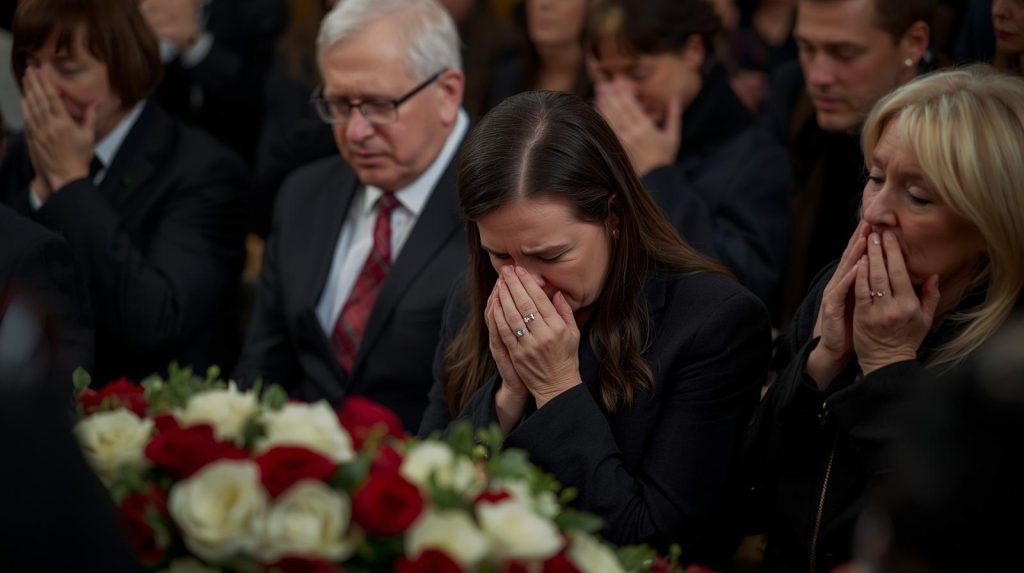
Different types of loss require tailored approaches in your condolence message. Understanding these nuances helps you provide more meaningful support.
Loss of a Parent
Losing a parent represents one of life’s most profound losses. Your condolence message should acknowledge this unique bond:
- “I didn’t have the pleasure of knowing your mother, but I’m sure she was special because she raised such an amazing person like you.”
- “Your father’s incredible personality lives on through you. Sending you love during this difficult time of mourning.”
- “There is no one in this world like your mother. She was truly special, and she will always be with you.”
- “Your mother will forever remain in our hearts and cherished memories of her beautiful spirit.”
- “Your father was such an inspiration in my life. I’ll never forget the valuable lessons he taught all of us.”
- “Nothing I can say will take away the pain you’re experiencing, but I want you to know I care deeply about you.”
- “May you look back on precious memories and find peace knowing your father raised such an incredible person.”
- “A mother’s love is eternal and everlasting. Hold on to that infinite love as your guiding light.”
- “I will always cherish the wonderful memories I have with your dad. He will be forever missed by everyone.”
- “Your mother was a phenomenal woman. What beautiful memories you must have to remind you of her joy.”
Loss of a Spouse
The death of a spouse creates an unimaginable void. Your condolence message should honor their partnership:
- “Love never dies, and your wife’s love for you is everlasting and will continue to surround you always.”
- “Your husband was such a wonderful man and outstanding partner who will live in our hearts forever.”
- “No words can express how sorry I am for the loss of your wife. I am here for you completely.”
- “I know your husband must have been amazing because you always beamed with pride when speaking of him.”
- “It was such a privilege to know your wife. She was incredibly smart and thoughtful in every way.”
- “I’ll always admire the beautiful love shared between you and your husband. That bond can never be broken.”
- “I’m deeply sorry for the loss of your beloved partner. May your precious memories bring you comfort.”
- “Your wife was always so thoughtful and kind to everyone she met. She will truly be missed.”
- “Your partner was such a special person who will live in my heart forever and always.”
- “Someone who shared so much life with you will always remain a part of you. Bonds like yours are eternal.”
Loss of a Sibling
Sibling relationships span entire lifetimes. Your condolence message should recognize this special connection:
- “Your sister was such an important part of your life, and her loss is felt deeply by everyone who knew her.”
- “Your brother will always be remembered for the amazing person he was. May his memory bring you comfort.”
- “Your sister’s spirit will live on through all the lives she touched. She was incredible and will be missed.”
- “Losing a sibling is never easy, but please know you have a friend who will always be there.”
- “You are in my dearest thoughts and prayers. I hope you find comfort in memories shared with your brother.”
- “Your sister’s memory will live on through the love she shared. May her light continue shining through you.”
- “I was shocked and saddened to hear about your brother’s passing. He was the best sibling anyone could ask for.”
- “Your sister’s unexpected passing has left me heartbroken for you. No one is prepared for such tragic circumstances.”
- “The world has lost a good person, and you have lost a brother. This loss affects all of us.”
- “I’d like to know more about your sister. If you want to share memories, I would love to hear them.”
Loss of a Child
No loss compares to losing a child. Your condolence message must acknowledge this devastating tragedy:
- “There are no words that can express the depth of sorrow I feel for your unimaginable loss.”
- “From our family to yours, we cannot tell you how much we are going to miss your beautiful child.”
- “I pray that as months and years pass, you find peace in the beautiful memories you created together.”
- “The loss of a child is a pain that words cannot heal. I offer my heartfelt condolences and endless support.”
- “I’m so deeply sorry for your loss. My heart aches for you and your family during this unimaginable grief.”
- “Your daughter had an incredible impact on the world in her short time here. She will always be remembered.”
- “Deep sorrow can feel like drowning. Please know I’m here to be your life raft through this storm.”
- “No one can prepare for this type of devastating loss. Sending you strength and comfort during this time.”
- “During this time of grief, may you find solace in the love and memories you shared with your son.”
- “I offer my deepest condolences on your child’s passing. Her time was too short, but her impact was immeasurable.”
What to Avoid in Your Condolence Message
Understanding what not to include in your condolence message is just as important as knowing what to say. These common mistakes can cause additional pain.
Avoid Minimizing Their Grief
Never include phrases in your condolence message that attempt to rationalize or minimize their loss:
- Don’t say “They’re in a better place” or “It was their time”
- Avoid “Everything happens for a reason” or “God needed another angel”
- Skip “At least they’re not suffering anymore” or “They lived a full life”
- Never write “You’re young, you’ll find someone else” after spousal loss
Don’t Make It About You
Your condolence message should focus entirely on the grieving person, not your own experiences:
- Avoid sharing stories of your own loss or grief
- Don’t compare their situation to yours or someone else’s
- Skip phrases like “I know exactly how you feel”
- Resist the urge to offer unsolicited advice about grieving
Steer Clear of Empty Offers
Generic offers of help in your condolence message often go unused. Avoid vague statements like:
- “Let me know if you need anything”
- “Call me if I can help”
- “I’m here if you need me”
Instead, offer specific assistance or simply express your sympathy without conditions.
How to Send Your Condolence Message
The method you choose for delivering your condolence message can enhance its impact and show additional thoughtfulness during their time of need.
Handwritten Cards and Letters
A handwritten condolence message creates a lasting keepsake that recipients often treasure for years. The physical act of writing demonstrates extra care and consideration.
Choose quality stationery and write legibly. Take time with your condolence message rather than rushing through it. Recipients often reread these cards during difficult moments.
According to funeral etiquette experts, handwritten sympathy cards show genuine thoughtfulness that digital messages cannot match.
Text Messages and Digital Communication
Digital condolence messages offer immediate comfort when distance or timing prevents other forms of communication. Keep text messages brief but heartfelt.
Your condolence message via text should be simple and direct. Follow up with a phone call or written card when possible to provide additional support.
Social Media and Online Platforms
Public condolence messages on social media create community support but require extra sensitivity. Keep your message brief and appropriate for public viewing.
Consider sending a private condolence message in addition to any public comments. This personal touch shows deeper care and provides space for more intimate expressions of sympathy.
Timing Your Condolence Message
The timing of your condolence message matters significantly in providing comfort and showing respect for their grieving process.
Immediate Response
Send your condolence message as soon as you learn of the loss, ideally within the first few days. Early communication shows immediate support during their most difficult time.
Don’t worry about finding perfect words for your condolence message. Simple, prompt expressions of sympathy often mean more than elaborate messages sent weeks later.
Ongoing Support
Continue reaching out beyond your initial condolence message. Grief doesn’t end after the funeral, and ongoing support becomes increasingly valuable as time passes.
Send follow-up messages on difficult dates like birthdays, holidays, or the anniversary of their loss. Your continued care through additional condolence messages shows lasting support.
Professional grief counselors at GriefShare emphasize that long-term support helps bereaved individuals navigate their continuing grief journey.
Sample Condolence Messages for Every Situation
These additional condolence message examples provide inspiration for various situations and relationships while maintaining authenticity and warmth.
Short and Simple Messages
- “I’m so sorry for your loss. You’re in my thoughts and prayers during this difficult time.”
- “My deepest sympathy goes out to you and your family. Sending love and strength your way.”
- “Thinking of you and wishing you moments of peace and comfort as you remember your loved one.”
- “Please accept my heartfelt condolences. I’m here for you during this challenging time of mourning.”
- “Words fail to express my deep sorrow for your tremendous loss. You have my full support.”
- “My heart goes out to you and your family. May you find comfort in cherished memories.”
- “Sharing in your sadness as you remember your beloved family member. Sending healing thoughts your way.”
- “I hope you know I’m here for you during this time of sorrow and will continue to be.”
- “Wishing you strength and comfort through this incredibly difficult time of loss and grief.”
- “Please know that many people care about you and are keeping you in their thoughts and prayers.”
Religious and Spiritual Messages
- “May God wrap His loving arms around you and give you peace and comfort during this time.”
- “I am praying for you to find healing through our Lord’s infinite love and eternal grace.”
- “May the Lord give you strength and comfort as you navigate through this valley of sorrow.”
- “Blessed are those who mourn, for they shall be comforted. You are in my prayers always.”
- “May God turn your time of darkness into light again and stay by your side.”
- “We are holding your family in our hearts and lifting you up in prayer every day.”
- “Wherever a beautiful soul has been, there is a trail of beautiful memories. Praying for your family.”
- “The Lord is close to the brokenhearted and saves those who are crushed in spirit.”
- “May your faith provide comfort and peace during this most difficult time of mourning and grief.”
- “Please accept my deepest condolences and know that God can restore your spirits and give you peace.”
Professional Condolence Message Templates
These professional condolence message templates work well for workplace situations while maintaining appropriate boundaries and genuine warmth.
Team or Department Messages
- “On behalf of our entire department, please accept our deepest sympathies for your loss during this difficult time.”
- “Our team wants you to know we’re thinking of you and your family. Please take all the time you need.”
- “We are deeply saddened by your loss and want to extend our heartfelt condolences to you and your family.”
- “Please know that your work family is here to support you through this challenging time of grief and mourning.”
- “Our thoughts and prayers are with you as you navigate this difficult period. We’re here for whatever you need.”
- “The entire team sends our condolences and wants you to know we care deeply about you and your family.”
- “We share in your sorrow and hope you find comfort knowing how much you mean to all of us.”
- “Please accept our collective sympathy during this painful time. Your wellbeing is our priority right now.”
- “Our office family extends heartfelt condolences and wants to support you however we can during this time.”
- “We’re keeping you and your loved ones in our thoughts as you mourn this tremendous loss.”
Manager to Employee Messages
- “Please accept my sincere condolences on behalf of the entire organization. Take whatever time you need to grieve.”
- “I’m deeply sorry for your loss and want you to know the company stands ready to support you.”
- “Your wellbeing is our priority during this difficult time. Please don’t hesitate to reach out for any assistance.”
- “We understand this is an incredibly challenging time, and we’re here to help however we can.”
- “Please know that your position is secure while you take time to process this loss and begin healing.”
- “The organization extends its deepest sympathy and wants to ensure you have all necessary support during this time.”
- “I personally want to express my condolences and let you know we’re thinking of you and your family.”
- “Please take advantage of our employee assistance programs during this difficult time of grief and adjustment.”
- “Your dedication to our team is appreciated, and now it’s our turn to support you through this loss.”
- “We’re honored to provide you with the time and space needed to properly grieve and remember your loved one.”
Cultural Considerations for Condolence Messages

Understanding cultural differences ensures your condolence message respects the bereaved family’s traditions and beliefs.
Different cultures have varying approaches to expressing sympathy. Some families may prefer flowers, while others find charitable donations more meaningful. Research specific customs when sending condolences to families from different cultural backgrounds.
Some cultures prefer immediate expressions of sympathy, while others observe specific mourning periods before accepting condolences. When in doubt, a simple, respectful condolence message expressing your sympathy is always appropriate.
Consider whether religious references in your condolence message align with the family’s beliefs. Secular messages focusing on love, memories, and support work well when you’re unsure about religious preferences.
Frequently Asked Questions About Condolence Messages
A condolence message should be concise but heartfelt. Most effective sympathy notes are between 2-4 sentences for brief messages or 1-2 paragraphs for longer letters. What matters most is the sincerity of your sentiment, not the length.
It’s never too late to send a condolence message. While immediate response within the first week is ideal, people often appreciate sympathy weeks or even months after their loss. This is especially true during difficult anniversaries, holidays, or birthdays.
Yes, using the deceased person’s name in your condolence message shows you recognize them as an individual. This personal touch makes your message more meaningful to the grieving family.
Text and email condolence messages are appropriate, especially for immediate comfort when distance prevents other communication. However, following up with a handwritten card when possible shows additional thoughtfulness.
Your condolence message should focus on supporting the grieving person rather than your relationship with the deceased. Express sympathy for their loss and offer support based on your relationship with them.
Supporting Someone Beyond Your Initial Condolence Message
Your support shouldn’t end with sending one condolence message. Grief continues long after the funeral, and bereaved individuals often need ongoing assistance.
Practical support can include:
- Bringing meals during the first few weeks
- Helping with household tasks or errands
- Offering childcare assistance
- Providing transportation to appointments
- Simply being present to listen
Remember that grief anniversaries, holidays, and special dates can be particularly difficult. Sending additional condolence messages during these times shows continued care and support.
The American Psychological Association emphasizes that grief doesn’t follow a timeline, and supporting someone through their entire journey makes a meaningful difference. Many people benefit from professional grief counseling services. Organizations like the National Alliance for Grieving Children provide specialized support for those struggling with complicated grief.
Conclusion
Writing a condolence message represents one of the most important ways to support someone experiencing loss. Your thoughtful words provide comfort, show you care, and remind the bereaved that they’re not alone during their difficult journey.
Remember that sincerity matters more than perfect phrasing in your condolence message. A simple, heartfelt expression of sympathy often brings more comfort than elaborate words. Focus on acknowledging their loss, expressing genuine sympathy, and offering specific support.
The impact of your condolence message extends far beyond the initial reading. Many people keep sympathy cards and reread them during difficult moments throughout their grief journey. Your words become a source of ongoing comfort and a reminder of the love surrounding them.
Whether you choose a handwritten card, digital message, or personal visit, your expression of sympathy makes a meaningful difference. Take time to craft your condolence message thoughtfully, considering your relationship with the bereaved and the specific circumstances of their loss.
Grief support continues long after the funeral ends. Consider following up with additional messages, practical assistance, or simply checking in during difficult anniversaries. Your ongoing care helps bereaved individuals feel supported throughout their healing process.